Designing for a More Sustainable Building
Performance improves when environmental decisions begin with form, orientation and demand reduction.
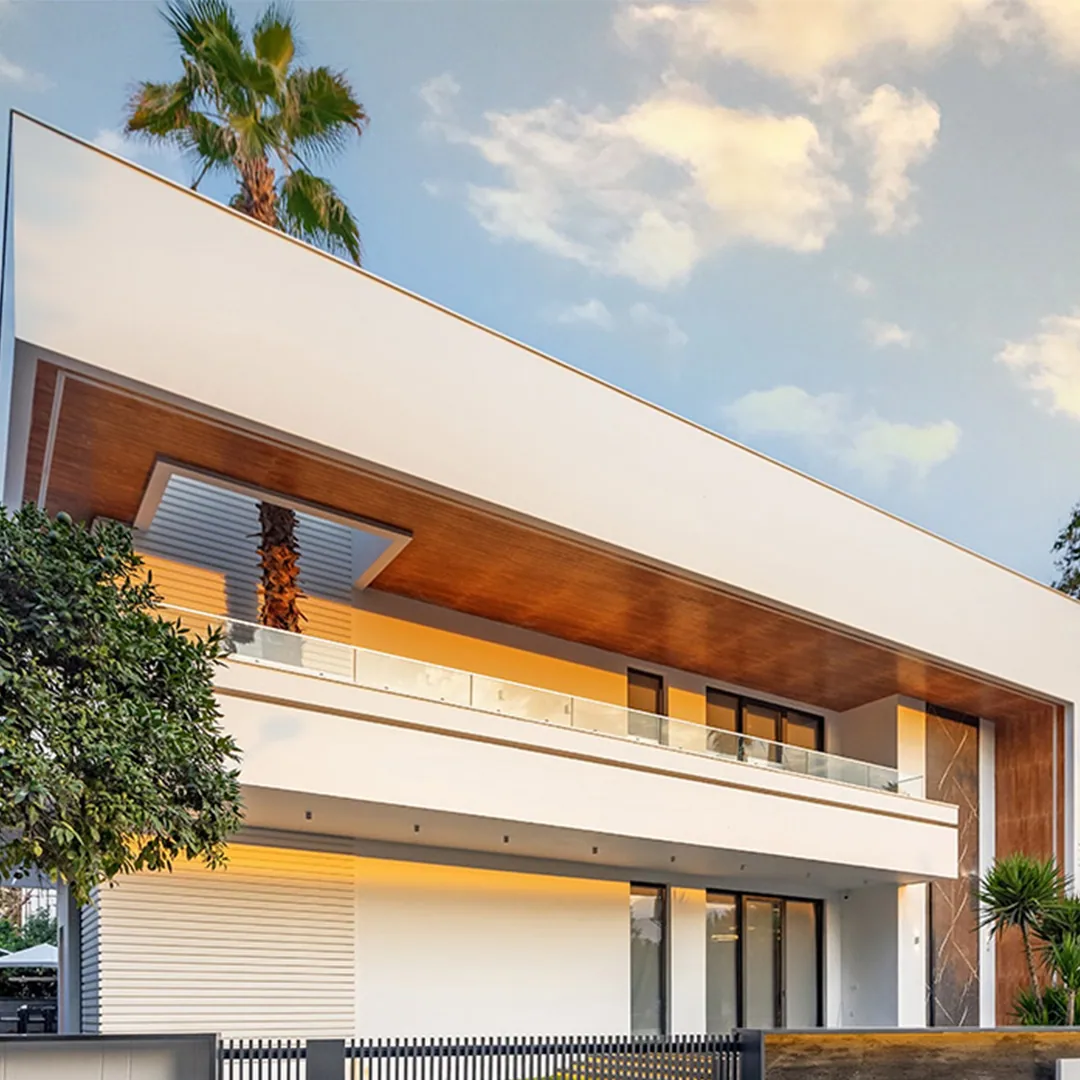
Sustainable architecture is a sequence of decisions that reduces energy, water and material demand while improving comfort.
Reduce before supplying
Compact form, orientation, shading, insulation and natural ventilation lower demand before systems are sized.
Design for a long life
Durable repairable materials, flexible plans and post-occupancy evaluation extend environmental value.
Begin with demand and context
Study orientation, local climate, shading opportunities and the existing site before choosing technologies. Decisions about form, glazing and envelope performance influence the systems needed later. Assess alternatives with the relevant consultants for the actual project rather than assuming one solution suits every location. Where an existing building can be adapted, compare retention and replacement as part of the early brief.
Look beyond the initial specification
Material decisions should include likely service life, maintenance, repair and replacement. A product that looks appropriate on paper may perform differently if it cannot be maintained locally. Detail assemblies so components can be accessed and, where feasible, replaced without unnecessary destruction. Flexibility in the plan can also extend a building’s useful life when occupants or activities change.
Check performance in use
Set clear project goals and agree how they will be reviewed. Operational routines, controls and handover information influence whether design intentions are realised. A building can be technically capable yet difficult for its occupants to operate. Post-occupancy feedback helps identify problems with comfort, control or maintenance and provides evidence for future improvements rather than relying on appearance as a measure of environmental performance.
A project of your own?
Put the ideas into context.
Explore the work or talk to our studio about your space.
Explore projects ↗