Designing Small Homes: Make Every Metre Work
A compact home succeeds through proportion, continuity and disciplined choices—not visual tricks.
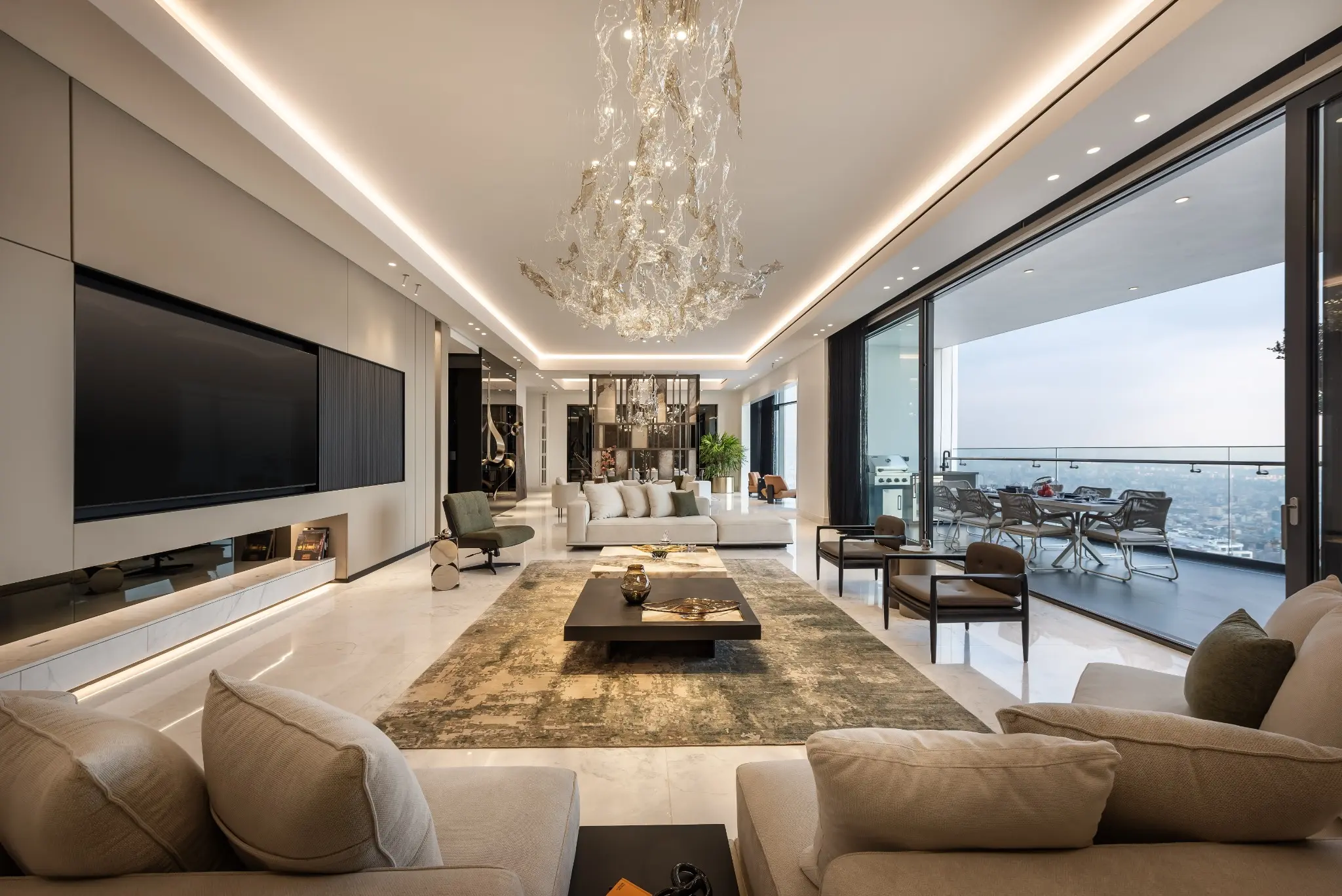
Small-home design begins by identifying what must remain open, what can work twice and where storage can become part of the architecture.
Plan for continuity
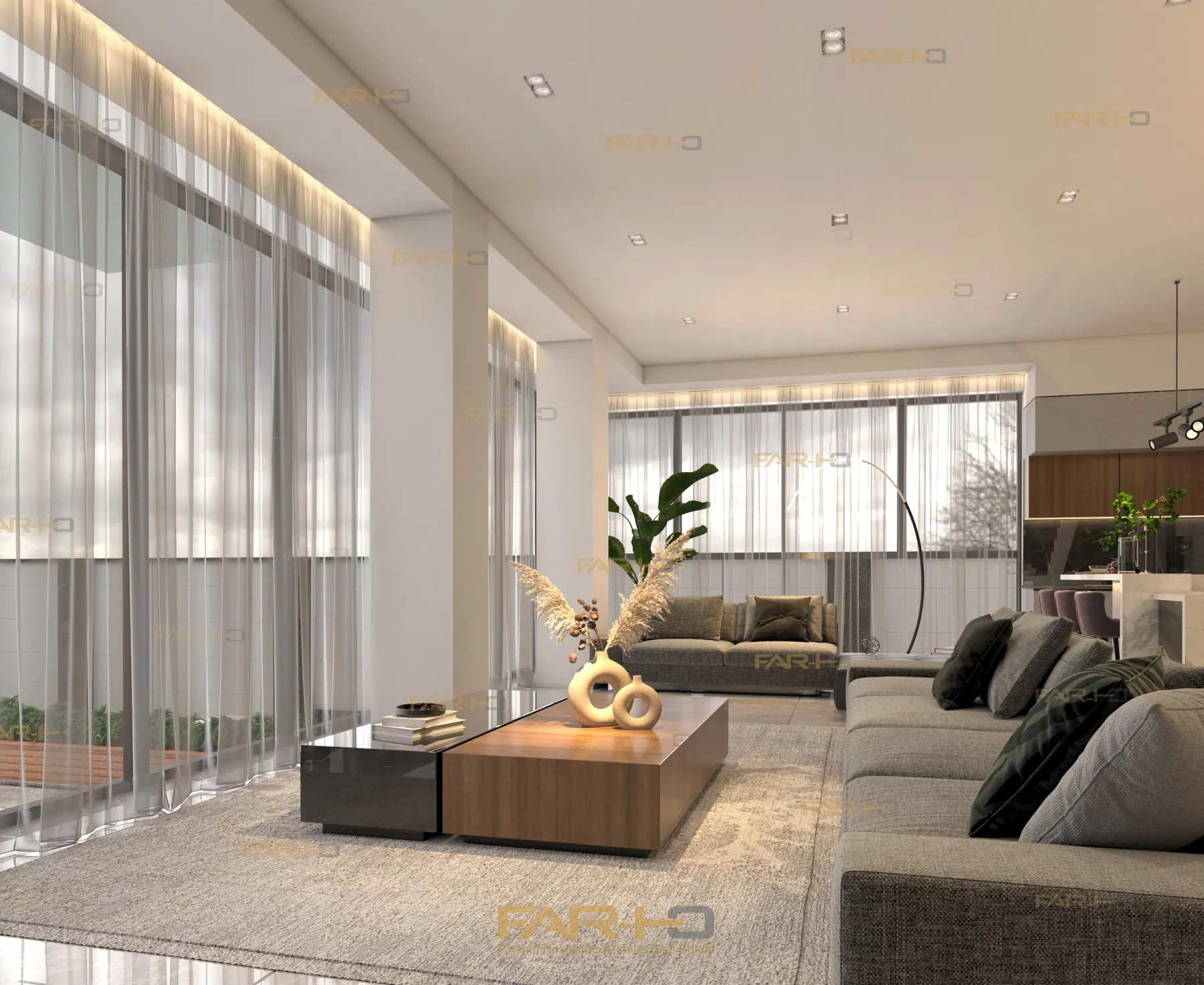
Long sightlines, consistent floor levels and carefully placed openings allow rooms to borrow depth from one another.
Let elements do more
Built-in seating, full-height storage and furniture scaled to the room reduce visual noise and make every square metre useful.
Give each room a clear purpose
Start with a measured furniture plan rather than an empty outline. Mark the space needed to pull out a chair, open a cupboard and move past a seated person. A compact home feels constrained when these activities collide. Prioritise the routines that matter to the household, then decide which uses can share a space without sacrificing privacy. A dining table may support occasional work; a permanent home office needs a different response.
Use light and storage together
Storage should be drawn into the plan early, particularly around entrances, circulation and awkward corners. Full-height cupboards can make a wall feel calmer than several separate pieces, but their depth must leave comfortable circulation. Preserve useful daylight at the edges of rooms. Before removing a partition, assess whether it supports storage, acoustic separation or structure; openness alone does not make a home work better.
Test the ordinary day
Walk through the plan from waking up to returning home in the evening. Where are coats placed, laundry dried and everyday objects stored? Check sightlines from the entrance and the relationships between private and shared rooms. A simple checklist often reveals issues that an attractive rendering conceals. The most successful compact plan supports everyday use while leaving enough flexibility for guests, changing routines and furniture that may arrive later.
A project of your own?
Put the ideas into context.
Explore the work or talk to our studio about your space.
Explore projects ↗